
Peptide Therapy in Omaha, NE
Peptide therapy works at a cellular signaling level to support the body’s natural repair and regeneration processes. By influencing gene expression and hormonal pathways, peptides may help accelerate weight loss, reduce stubborn body fat, and improve overall body composition.
These therapies are often used to enhance athletic performance from within, shorten recovery times, and support more efficient healing after physical strain or injury. By optimizing the body’s repair mechanisms, peptides can help improve resilience, speed tissue recovery, and reduce downtime between workouts or activities.
Peptide therapy is also utilized to support skin health and appearance, promoting a more youthful look while helping slow age-related changes. Through targeted support of growth hormone signaling and cellular repair pathways, peptides may contribute to improved vitality, recovery, and long-term performance as the body ages.
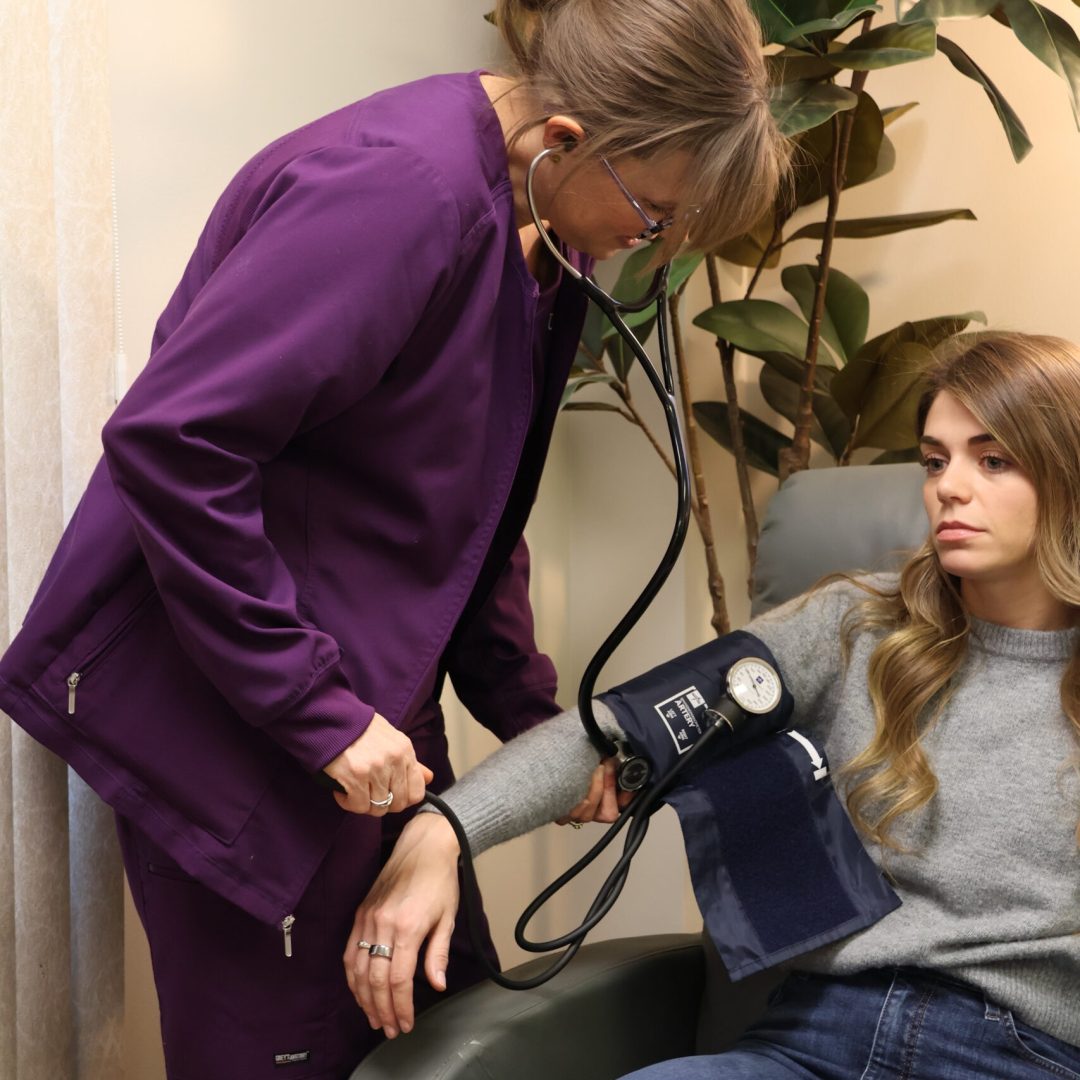
What is a peptide?
Peptides are short chains of amino acids, the same building blocks that make up proteins. When an amino acid chain exceeds approximately 50 units, it is considered a protein; shorter chains are classified as peptides. In the body, peptides act as cell-to-cell signaling molecules, helping regulate processes such as inflammation, metabolism, tissue repair, muscle development, and immune function by influencing gene expression and cellular communication.
Hundreds of different peptides occur naturally in the human body. Only a limited number can be safely and reliably compounded for therapeutic use. When used clinically, peptide selection and method of administration are based on the specific peptide, its biological role, and the individual’s health goals.
Peptide therapy is commonly incorporated to support goals such as metabolic regulation, muscle repair and toning, overall wellness, and gut or immune support—particularly in individuals dealing with chronic inflammatory or digestive conditions.
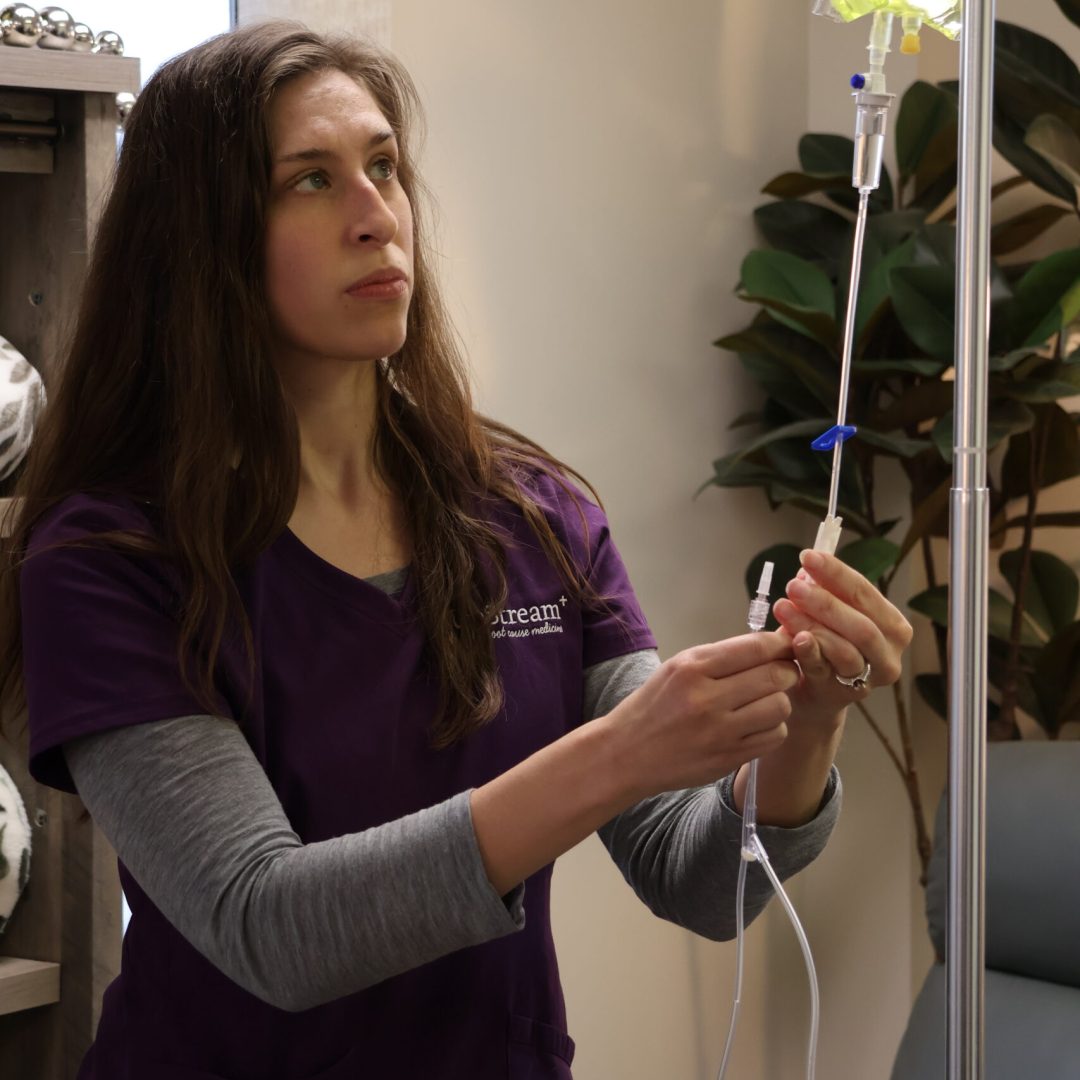
Benefits of a Peptide Therapy
Peptide therapy uses targeted, naturally occurring signaling molecules to support specific biological functions. When appropriately selected, peptides may support a range of physiological processes, including:
Improved Physical Performance
Certain peptides may help support muscle development, recovery, and physical endurance by influencing growth hormone signaling, reducing inflammation, and improving tissue repair.
These effects can contribute to improved strength, resilience, and recovery following physical exertion.
Enhanced Immune Function
Some peptides support immune system regulation by promoting balanced immune signaling and supporting white blood cell activity. This may help improve immune resilience and recovery during periods of increased physiological stress.
Reduced Inflammation
Chronic inflammation is a common contributor to many long-term health concerns. Specific peptides have been studied for their potential to help regulate inflammatory responses and support healing in soft tissue, joints, and the digestive tract.
Improved Skin Health
Peptides may support collagen production, skin elasticity, and tissue repair. Certain formulations are used to help improve skin texture, tone, and overall appearance while supporting long-term skin health.
Cognitive Support
Some peptides are used to support focus, mental clarity, and cognitive performance by influencing neurotransmitter activity and neural signaling pathways.
Healthy Aging Support
By supporting cellular repair, hormonal signaling, and tissue regeneration, peptide therapy may help promote vitality and resilience as the body ages.
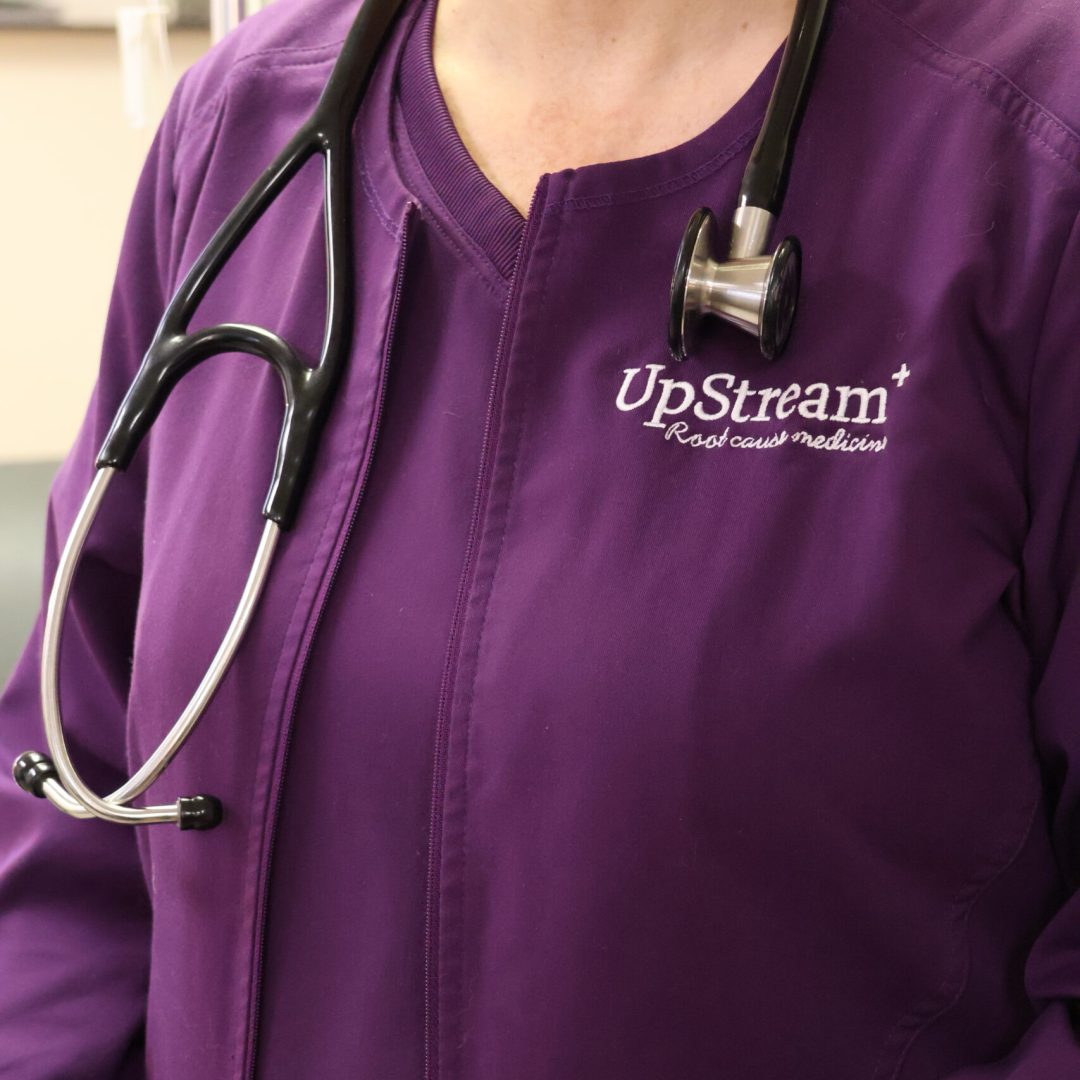
How Does Peptide Therapy Work?
Peptides are typically cycled on and off based on individual response and treatment goals. In some cases, peptides may be used alone; in others, they are most effective when integrated into a broader, systems-based approach that addresses nutrition, sleep, stress, movement, and underlying metabolic or inflammatory factors.
Once the appropriate peptide and delivery method (oral, injectable, or other localized administration) are selected, dosing, frequency, and duration are individualized. Some individuals benefit from a single peptide, while others may use different peptides sequentially or in combination over time.
Effectiveness is monitored and adjusted as needed to ensure the therapy aligns with the body’s response and overall health objectives.
At Upstream Care in Omaha, Nebraska, peptide therapy is designed to work at a cellular signaling level to support the body’s natural repair, metabolic, and regenerative processes. Peptides act as targeted messengers within the body, helping influence gene expression, hormonal pathways, and tissue recovery mechanisms.
In our Omaha clinic, peptide therapy may be used to support weight loss efforts, reduce stubborn body fat, and improve overall body composition by optimizing metabolic signaling. These therapies are often incorporated into comprehensive functional medicine care plans tailored to individual goals.
Peptide therapy is also commonly utilized to enhance athletic performance, shorten recovery times, and support more efficient healing following physical strain or injury. By improving cellular repair pathways, peptides may help increase resilience, accelerate tissue recovery, and reduce downtime between workouts or daily activities.
Many patients in Omaha and surrounding communities seek peptide therapy to support skin health, promote a more youthful appearance, and slow age-related changes. Through targeted support of growth hormone signaling and cellular repair mechanisms, peptide therapy may contribute to improved vitality, recovery capacity, and long-term performance as the body ages.