
Prolozone & Ozone Therapy in Omaha, NE
Prolotherapy uses an injected solution to create a controlled healing response in weakened ligaments and connective tissue. The goal is to trigger the body’s natural repair cascade and strengthen structural support. It is primarily a mechanical repair strategy. Prolozone builds on prolotherapy by adding medical ozone gas to the injection.
Ozone therapy involves introducing medical-grade ozone gas (a highly active form of oxygen) into a patient’s own blood after it has been drawn, then reinfused. This therapy is used for its anti-inflammatory, anti-viral, anti-bacterial, and immune-modulating properties.
These therapies help cellular oxygen utilization, helps regulate immune system activity, and enhances cellular energy production by influencing the body’s antioxidant enzyme systems. Clinically, it is used to help reduce joint pain and inflammation, support recovery from chronic inflammatory conditions, and address a range of respiratory, circulatory, and dermatologic concerns.
Ozone therapy is also utilized in the management of allergic and asthmatic conditions, auto-immune processes, and issues related to environmental or mold exposure. In addition, it may promote faster wound healing and is often sought for its potential anti-aging and regenerative effects.
What Is Ozone?
Ozone is a form of oxygen made up of three oxygen atoms (O₃), rather than the two found in the oxygen we breathe (O₂). Oxygen is essential for life and plays a central role in the body’s ability to heal, regulate inflammation, and maintain balance. Ozone’s additional oxygen atom gives it unique biological activity.
In medical settings, ozone has been studied and used for its anti-bacterial, anti-viral, and anti-inflammatory properties, as well as its ability to support tissue repair and recovery. These same properties are why ozone is widely used in healthcare environments for air and equipment purification.
The dose and concentration of ozone—often referred to as “gamma”—are carefully selected. Higher concentrations do not automatically mean better results. Instead, treatment strength, frequency, and duration are tailored to the individual to achieve the desired physiological response.
Ozone therapy is commonly incorporated into care plans addressing concerns such as allergies, auto-immune conditions, chronic fatigue, joint and inflammatory pain, circulatory and cardiovascular issues, chronic infections, unexplained rashes or allergic reactions, and acute illnesses including respiratory and sinus infections.

OZONE ADMINISTRATION
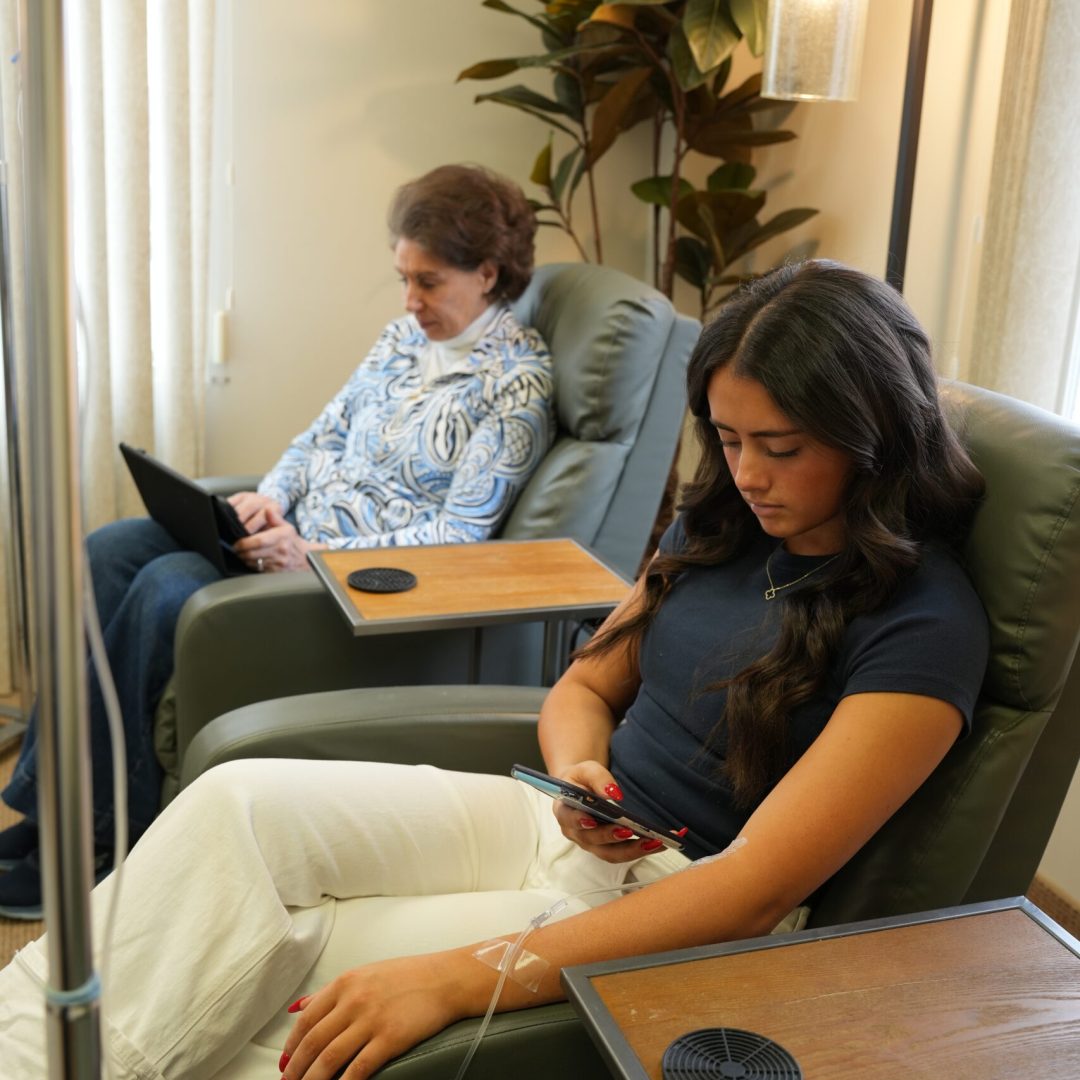
Ozone can be administered in several different ways, depending on the clinical goal and the individual’s needs. When the body experiences injury or illness, it naturally increases blood flow and oxygen delivery to affected tissues to support healing. Ozone therapy works in alignment with these processes by enhancing oxygen availability and immune signaling.
Major Autohemotherapy (MAH) is one of the most commonly used methods. A small amount of blood is drawn, gently mixed with medical-grade ozone (and, in some cases, ultraviolet blood irradiation), and then returned to the body. This process supports immune and circulatory function, helps regulate chronic inflammation, and may improve energy levels and overall well-being.
Ozone may also be applied locally, including administration to the nasal passages or ears, where many upper respiratory viruses and bacteria reside. This approach is often used to support sinus health, reduce recurrent infections, and calm inflammatory or allergic responses.
Additional methods include localized ozone delivery via small catheters (rectal, vaginal, or bladder) for issues such as urinary or gastrointestinal concerns, as well as limb-bag applications for wound care or stubborn localized infections. These approaches are designed to promote tissue healing while helping address microbial burden.
Treatment method, dose, frequency, and duration are individualized. We will work with you to determine the most appropriate approach based on your health goals and clinical context.
BENEFITS OF OZONE
Ozone is often used as a preventive and supportive therapy, with effects that may persist for several weeks following treatment. Some patients choose regular ozone therapy during times of increased immune demand, such as cold and flu season.
For children and adults alike, ozone is sometimes incorporated into care plans to support immune resilience, particularly when frequent infections, allergies, or environmental exposures are a concern. Adults may also choose ozone therapy before or after medical procedures, travel, or periods of physical stress to support recovery.
Athletes at all levels frequently use ozone as part of their recovery strategy to support the repair of muscles, ligaments, and tendons. It is generally recommended after intense activity or competition rather than immediately beforehand.
In more complex care plans—such as those involving chronic illness or cancer—ozone is often used as an adjunctive therapy to support immune function, tissue repair, and overall resilience. These patients are often seeking supportive strategies to complement their primary treatment plans.
In cases of acute illness or injury, the body may utilize ozone more quickly, as increased physiological demand can shorten the typical duration of effect in order to support healing and recovery.
At Upstream Care in Omaha, Nebraska, we offer advanced Prolozone and ozone therapy treatments designed to support the body’s natural healing response and restore optimal function.
Prolotherapy uses an injected solution to create a controlled healing response in weakened ligaments and connective tissue. The goal is to trigger the body’s natural repair cascade and strengthen structural support. It is primarily a mechanical repair strategy. Prolozone builds on prolotherapy by adding medical ozone gas to the injection for enhanced therapeutic benefit.
Ozone therapy involves introducing medical-grade ozone gas (a highly active form of oxygen) into a patient’s own blood after it has been drawn, then reinfused. At our Omaha clinic, this therapy is used for its anti-inflammatory, anti-viral, anti-bacterial, and immune-modulating properties.
These therapies help improve cellular oxygen utilization, regulate immune system activity, and enhance cellular energy production by influencing the body’s antioxidant enzyme systems. Clinically, Prolozone and ozone therapy are used to help reduce joint pain and inflammation, support recovery from chronic inflammatory conditions, and address a range of respiratory, circulatory, and dermatologic concerns.
Patients throughout Omaha and surrounding communities seek ozone therapy for support with allergic and asthmatic conditions, autoimmune processes, and issues related to environmental or mold exposure. In addition, these treatments may promote faster wound healing and are often pursued for their potential regenerative and anti-aging benefits.
If you are looking for Prolozone or ozone therapy in Omaha, NE, our experienced functional medicine team provides personalized care plans tailored to your specific health goals. We serve patients from across Omaha and nearby Nebraska suburbs who are seeking integrative, root-cause-focused treatment options.