
Red Light Laser Therapy in Omaha, NE
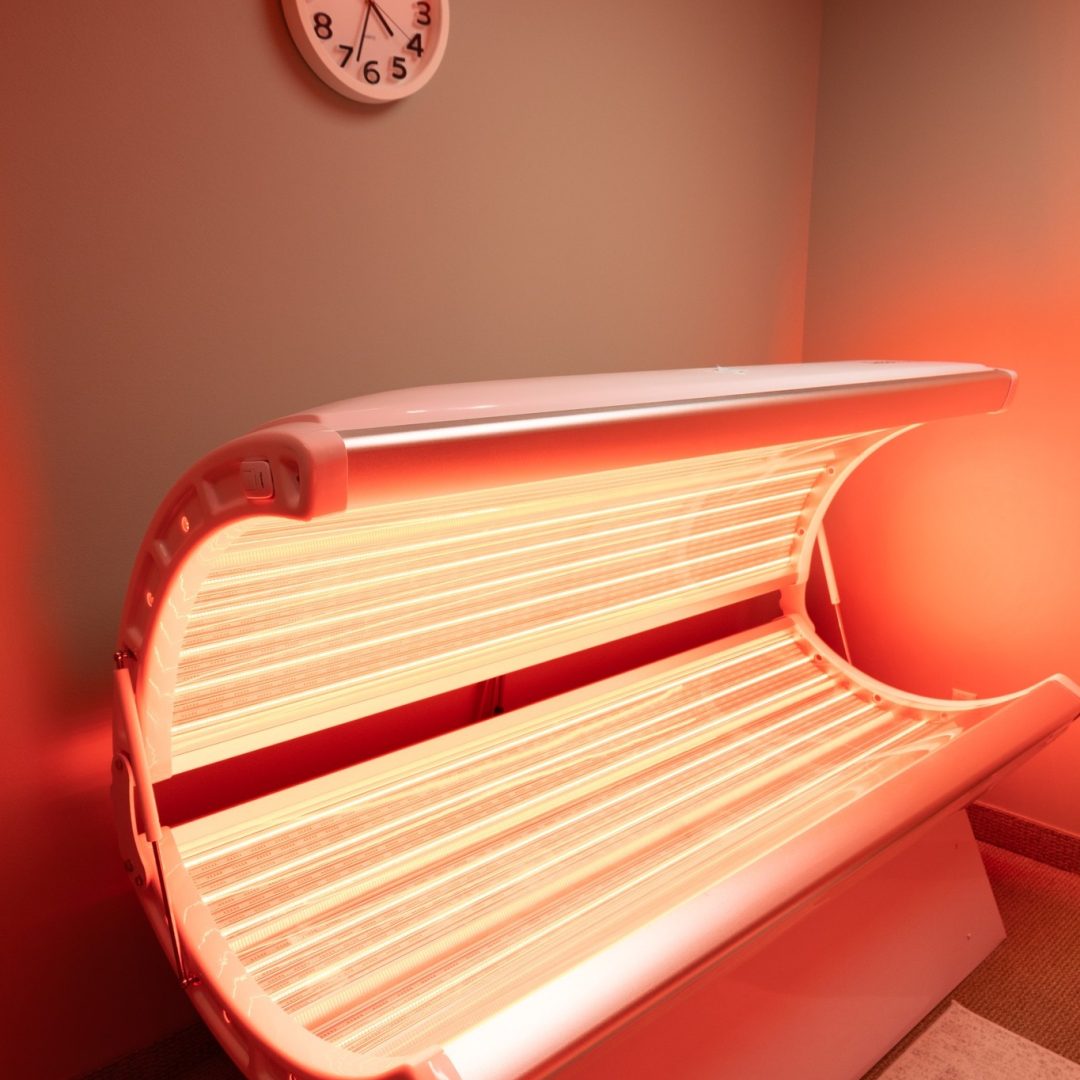
Red light laser therapy uses targeted red and near-infrared light wavelengths to support the body’s natural repair and recovery processes. These calibrated light frequencies are absorbed by tissues and cells, where they may help stimulate cellular energy production and tissue regeneration.
This therapy is commonly used to support pain reduction, collagen and cartilage health, and recovery of soft tissue and bone. By encouraging local circulation and cellular activity, red light laser therapy may assist in the healing of muscles, joints, connective tissue, and wounds.
Treatments are non-invasive and are often incorporated into care plans aimed at supporting recovery, reducing inflammation-related discomfort, and promoting tissue repair following injury or strain.
Symptoms
Red light laser therapy, also known as photobiomodulation (PBM), is a non-invasive treatment that uses specific wavelengths of red and near-infrared light to support tissue repair and cellular function. Treatments are typically brief, painless, and do not require medications or surgery.
This therapy works by delivering light energy to tissues, where it is absorbed by cellular structures involved in energy production and repair. Research has shown that targeted red and near-infrared wavelengths can influence cellular signaling, circulation, and tissue recovery.
Because it does not involve drugs or invasive procedures, red light therapy is often used as a supportive modality alongside other treatments.
PBM utilizes non-heating light sources, including low-level lasers and LEDs, across the visible and near-infrared spectrum. These wavelengths interact with cellular chromophores to trigger biological responses that may support pain reduction, inflammation regulation, and tissue regeneration.
Why Consider Red Light Therapy?
- May support faster recovery from injury
- Helps stimulate tissue repair and regeneration
- Can reduce pain and inflammation-related discomfort
- Supports circulation and lymphatic drainage
- May improve range of motion and functional mobility
- Often well-tolerated with minimal downtime
Clinical Effects on Tissues and Cells
Red light laser therapy has been studied for its effects across multiple tissue types:
Muscles
Supports muscle repair and regeneration by stimulating cellular activity involved in tissue repair. This may aid recovery from strain, overuse, or injury.
Scar Tissue
May support collagen remodeling and alignment, helping reduce stiffness and discomfort associated with scar formation following injury or surgery.
Joints
Supports cartilage health and joint function by influencing cellular processes involved in connective tissue maintenance.
Wounds
Encourages fibroblast activity and collagen production, which are essential for tissue repair and wound healing.
Bones
May support bone remodeling processes that contribute to recovery following injury or stress.
Trigger Points & Acupuncture Points
Can be used to address localized areas of pain or tension and may provide an alternative to needle-based stimulation for some individuals.
Acute and Chronic Conditions
PBM is often incorporated into care plans for both recent injuries and longer-standing conditions, with the goal of improving tissue health and overall function.
Clinical Benefits of Photobiomodulation
Research suggests that red light therapy may support several physiological processes:
Inflammation Regulation
May help reduce excessive inflammatory signaling while supporting the body’s natural resolution of inflammation.
Pain Modulation
Can influence nerve signaling and pain perception, potentially providing both short- and longer-term relief.
Circulatory Support
Supports microcirculation and vascular responses that help deliver oxygen and nutrients to tissues while assisting waste removal.
Cellular Energy Production
Stimulates cellular pathways involved in ATP (energy) production, supporting tissue repair and metabolic efficiency.
Tissue Regeneration
Supports the activity of cells involved in repair and regeneration across muscles, tendons, ligaments, and connective tissue.
Immune Support
May help regulate immune signaling at the cellular level, supporting balanced immune responses.
Nerve Function
Can support nerve repair and signaling, which may be beneficial in conditions involving nerve irritation or recovery from nerve injury
At Upstream Care in Omaha, Nebraska, red light laser therapy uses targeted red and near-infrared wavelengths to support the body’s natural repair and recovery processes. These calibrated light frequencies are absorbed at the cellular level, where they may help stimulate mitochondrial energy production and promote tissue regeneration.
In our Omaha clinic, red light laser therapy is commonly incorporated into care plans to support pain reduction, collagen and cartilage health, and recovery of soft tissue and bone. By encouraging healthy circulation and cellular activity, this therapy may assist in the healing of muscles, joints, connective tissue, and wounds.
Treatments are non-invasive and are often used to help reduce inflammation-related discomfort and promote tissue repair following injury, strain, or chronic irritation. Patients in Omaha and surrounding communities may include red light therapy as part of a comprehensive functional medicine strategy aimed at optimizing recovery and long-term musculoskeletal health.