One of the most confusing patterns adults describe is this:
“I’m sleeping. I’m just not recovering.”
They go to bed at a reasonable hour. They log seven or eight hours. They wake up… tired. Not exhausted, not acutely ill—just unrefreshed.
For many high-functioning adults in Omaha, this becomes deeply frustrating. Sleep is supposed to fix fatigue. When it doesn’t, the assumption becomes:
- I must be stressed
- I must be aging
- I must not be trying hard enough
But restorative sleep is not measured in hours alone. It is measured in physiologic depth.
Sleep Duration vs Sleep Quality
Sleep trackers focus on duration. Physiology cares about architecture. Restorative sleep requires:
- sufficient deep sleep
- intact REM cycles
- parasympathetic nervous system dominance
- stable glucose overnight
- appropriate growth hormone pulses
- inflammatory quieting
If those processes are incomplete, you can sleep eight hours and wake as if you slept five.
This is one of the most common reasons people feel tired after sleeping, even when they are technically getting enough rest.
The Nervous System Must Downshift
The body cannot repair in a constant state of activation.
The autonomic nervous system has two dominant branches:
- sympathetic: alert, mobilize, perform
- parasympathetic: repair, digest, restore
High-performing adults often remain in a mild sympathetic state all day. If that state continues into the night, sleep becomes lighter and less restorative.
You may not remember waking, but your system never fully downshifted.
Cortisol Timing Matters
Cortisol is not just a stress hormone—it is a rhythm hormone.
In a healthy pattern:
- it rises in the morning
- supports alertness
- declines throughout the day
- reaches its lowest point at night
Chronic stress can flatten this rhythm, leading to:
- difficulty waking
- afternoon crashes
- “tired but wired” evenings
- racing thoughts at night
This is a major driver of why you may feel tired after sleeping despite a full night in bed.
Growth Hormone and Overnight Repair
Deep sleep is when growth hormone is released. This hormone supports:
- muscle repair
- cellular recovery
- metabolic function
- tissue restoration
When deep sleep decreases, recovery declines—even if total sleep time stays the same.
Glucose Instability During the Night
Blood sugar fluctuations can quietly disrupt sleep.
When glucose rises and falls overnight:
- cortisol may spike
- micro-awakenings increase
- heart rate rises
- sleep becomes fragmented
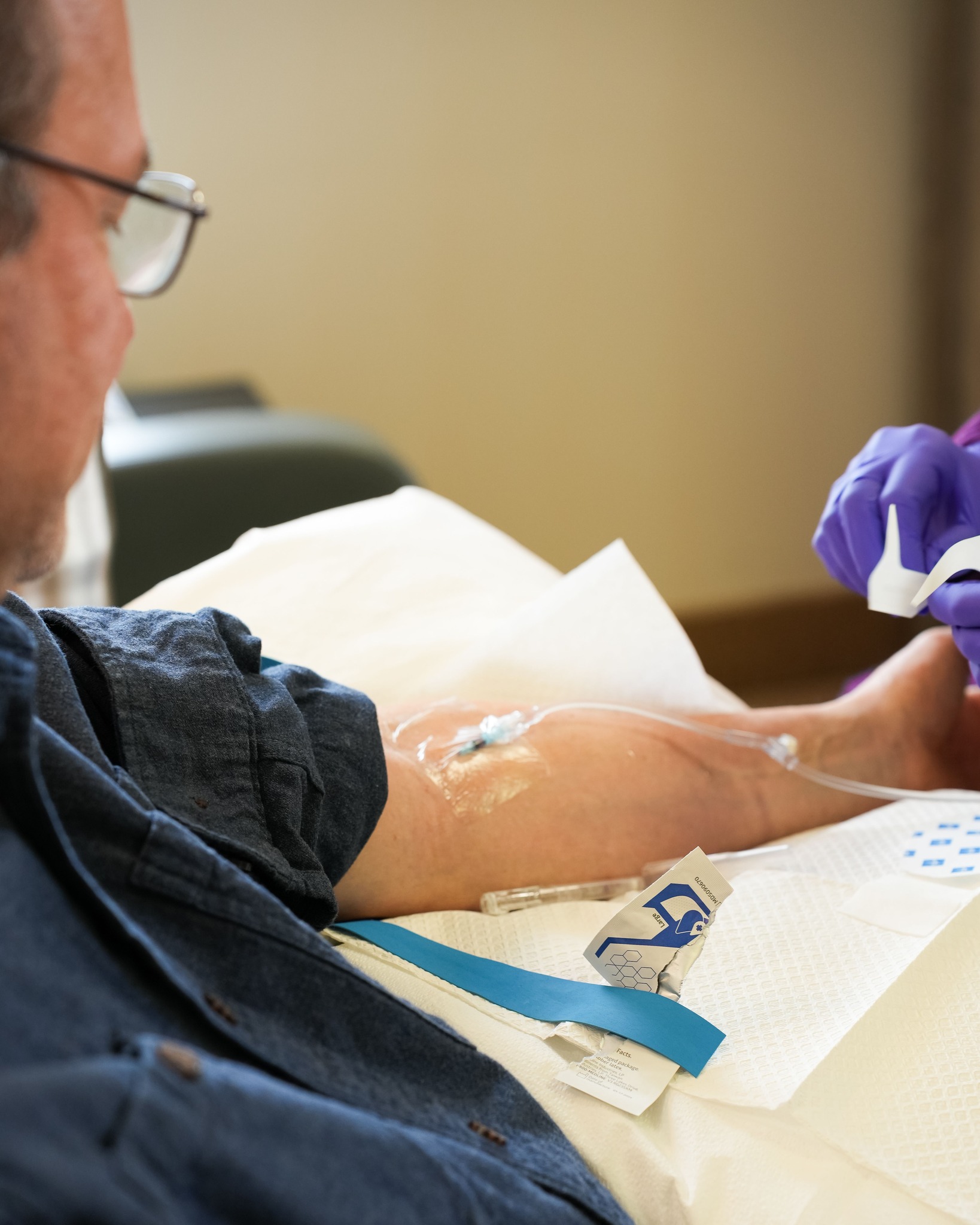
Supporting metabolic balance and cellular recovery through approaches like IV therapy & hydration can help stabilize the systems that influence sleep quality.
Alcohol and “False Sleep”
Alcohol may help you fall asleep faster, but it disrupts sleep later in the night.
It can:
- suppress REM sleep
- increase heart rate
- fragment sleep cycles
- increase inflammation
This leads to lighter, less restorative sleep overall.
Inflammation and Sleep Fragmentation
Low-grade inflammation can interfere with sleep depth.
According to research from the National Institutes of Health on sleep and recovery, sleep quality and architecture play a critical role in physical recovery and energy restoration.
Even subtle inflammation can lead to:
- restless sleep
- early waking
- morning stiffness
- persistent fatigue
Hormonal Transitions and Sleep
Hormonal changes in midlife play a major role in sleep quality.
In women:
- estrogen fluctuations affect sleep-regulating neurotransmitters
- night sweats disrupt sleep
- stress sensitivity increases
In men:
- declining testosterone can affect
- sleep depth
- mood
- recovery
Addressing these changes through bioidentical hormone therapy can help restore hormone balance and improve sleep quality.
The Myth of Catching Up on Sleep
Many people try to compensate for poor sleep by:
- sleeping longer on weekends
- taking naps
- going to bed earlier
These strategies may help temporarily, but they don’t fix the underlying issue if physiology remains disrupted.
Why High Performers Are Vulnerable
High-functioning adults often:
- push through fatigue
- rely on caffeine
- stay mentally active late into the evening
- wake early to perform
Over time, this compresses recovery and reduces sleep quality—even if duration looks adequate.
A Better Question
Instead of asking:
“Why am I still tired?”
A better question is:
“What is preventing my body from fully recovering during sleep?”
What Restores Restorative Sleep
Improving sleep quality requires addressing:
- nervous system balance
- cortisol rhythm
- glucose stability
- inflammation
- hormone regulation
When these systems improve, people often notice:
- clearer mornings
- better energy
- less reliance on caffeine
- more consistent performance
The Takeaway
If you feel tired after sleeping, the issue is rarely a lack of effort or discipline.
It is often a sign that your body is not completing the repair processes that should occur overnight.
Sleep is not just time in bed—it is a biologic recovery process.
When that process is restored, energy follows.