One of the most destabilizing experiences for high-performing adults is this:
“I still care. I just don’t feel the same drive.”
They are not apathetic. They are not indifferent. They still value excellence—but something has shifted.
They notice:
- difficulty starting tasks
- reduced creative flow
- shorter focus
- needing pressure to perform
- feeling flat despite achievement
If you’ve asked yourself why do I have little motivation, the answer is often not psychological—it’s physiologic.
Motivation Is Not Just Mental
Drive depends on multiple systems working together:
- dopamine signaling
- glucose stability
- mitochondrial energy production
- sleep quality
- cortisol rhythm
- inflammation levels
- nervous system balance
When these are aligned, motivation feels natural.
When they are strained, motivation feels forced.
Dopamine and Energy Availability
Dopamine influences:
- goal pursuit
- reward
- focus
- task initiation
But dopamine requires energy to function properly.
When metabolic strain increases:
- dopamine signaling weakens
- reward sensitivity drops
- tasks feel heavier
This is one of the core reasons people ask why do I have little to no motivation.
Blood Sugar and Mental Drive
The brain needs stable glucose to maintain focus and motivation.
When blood sugar fluctuates:
- energy drops
- focus narrows
- irritability increases
- motivation declines
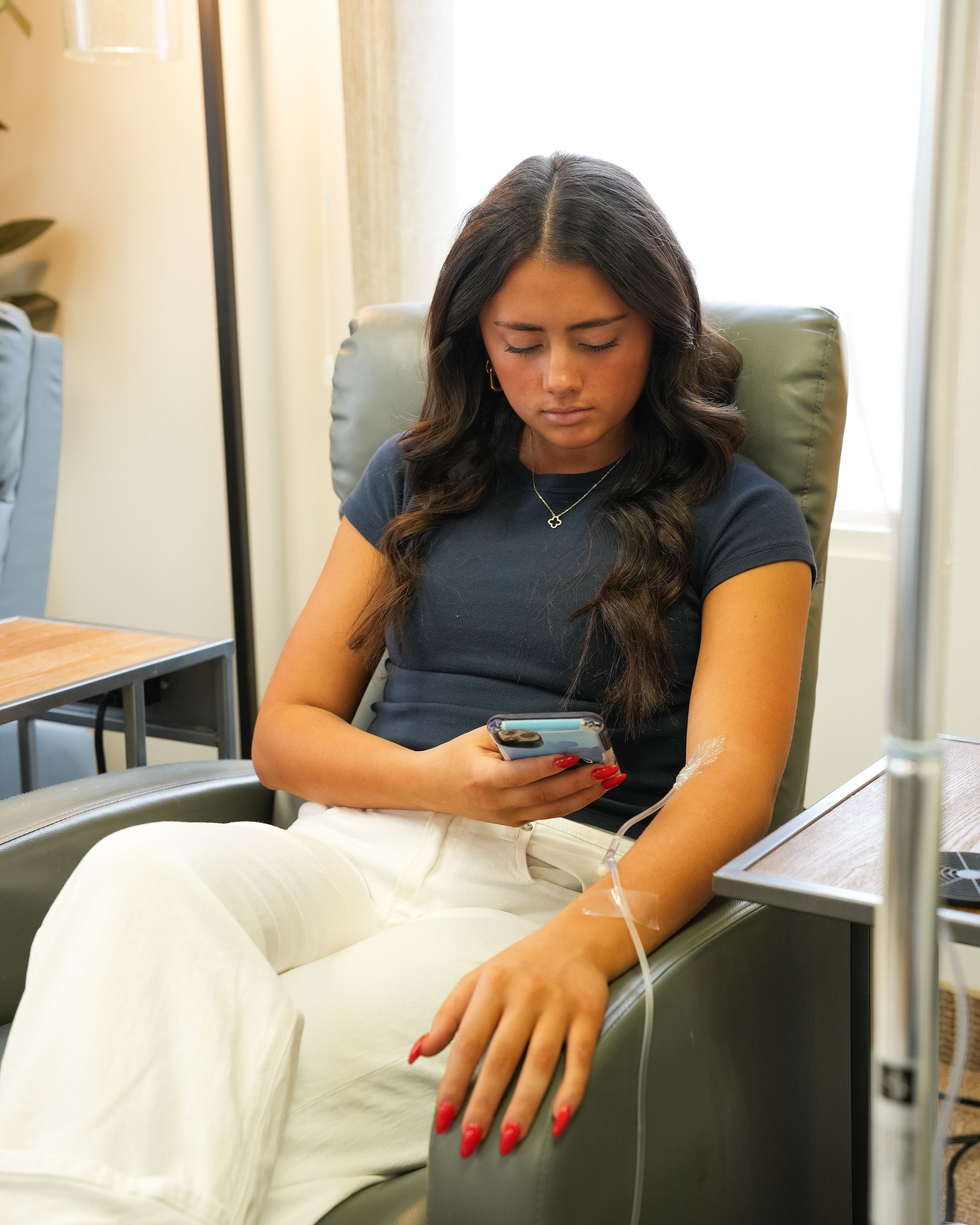
Supporting energy stability and metabolic function through approaches like IV therapy & hydration can help improve cognitive performance and sustained drive.
Cortisol and Urgency-Based Motivation
Many high performers rely on stress to activate motivation.
Deadlines create urgency. Urgency triggers cortisol. Cortisol creates focus.
But over time:
- cortisol rhythm flattens
- sleep quality declines
- baseline energy drops
You may notice:
- difficulty starting tasks without pressure
- dependence on urgency to perform
- inconsistent motivation
Sleep and Reward Sensitivity
Sleep is critical for motivation.
Deep sleep supports:
- dopamine receptor sensitivity
- emotional balance
- cognitive clarity
When sleep is disrupted:
- motivation decreases
- reward feels muted
- focus becomes harder
You may feel tired—but also unmotivated.
Inflammation and Drive
Low-grade inflammation affects brain chemistry.
It can:
- reduce dopamine activity
- impact mood
- lower motivation
According to research from the National Institutes of Health on dopamine and motivation, dopamine plays a central role in motivation, reward, and goal-directed behavior.
Even subtle inflammation can reduce your sense of drive.
Mitochondrial Function and Task Initiation
Starting complex tasks requires energy.
When mitochondrial efficiency declines:
- cognitive effort increases
- mental fatigue rises
- productivity feels harder
This is why motivation often drops before performance fully declines.
Nervous System Balance and Focus
The nervous system affects how you think and perform.
When stuck in stress mode:
- thinking becomes reactive
- creativity declines
- patience decreases
Balanced nervous system function supports:
- focus
- creativity
- sustained effort
Hormonal Influence on Motivation
Hormones play a major role in drive.
In women:
- estrogen influences dopamine and mood
In men:
- testosterone affects energy and motivation
Supporting hormone balance through approaches like bioidentical hormone therapy can help restore motivation and cognitive performance.
Why Pushing Harder Doesn’t Work
When motivation drops, many people try to:
- work harder
- push through resistance
- increase discipline
This may work temporarily—but often worsens:
- cortisol imbalance
- sleep quality
- inflammation
- energy depletion
Motivation is not restored by force—it’s restored by support.
A Better Question
Instead of asking:
“Why do I have no motivation?”
Ask:
“What systems are limiting my energy and focus?”
Because motivation is a reflection of physiology—not just mindset.
What Restores Motivation
Improving motivation involves:
- stabilizing blood sugar
- improving sleep quality
- reducing inflammation
- supporting cellular energy
- balancing hormones
- restoring nervous system flexibility
When these improve, people often notice:
- easier task initiation
- improved focus
- stronger drive
- more consistent energy
The Takeaway
If you’re wondering why do I have very little motivation, the issue is rarely a lack of discipline.
It often reflects:
- low energy availability
- metabolic strain
- poor sleep
- inflammation
- hormone imbalance
- nervous system dysregulation
When these systems are supported, motivation returns naturally.